
Match analysis

Reading a cricket match before it starts

Match analysis at Come Sports is a set of frameworks for reading form, pitch behaviour, weather impact, head-to-head matchups, role impact and captaincy ahead of a cricket match. The aim is a working vocabulary a reader can carry into the next fixture.

Latest match notes

Fixture readings, newest first

Form, pitch and head-to-head notes tied to live and upcoming contests.

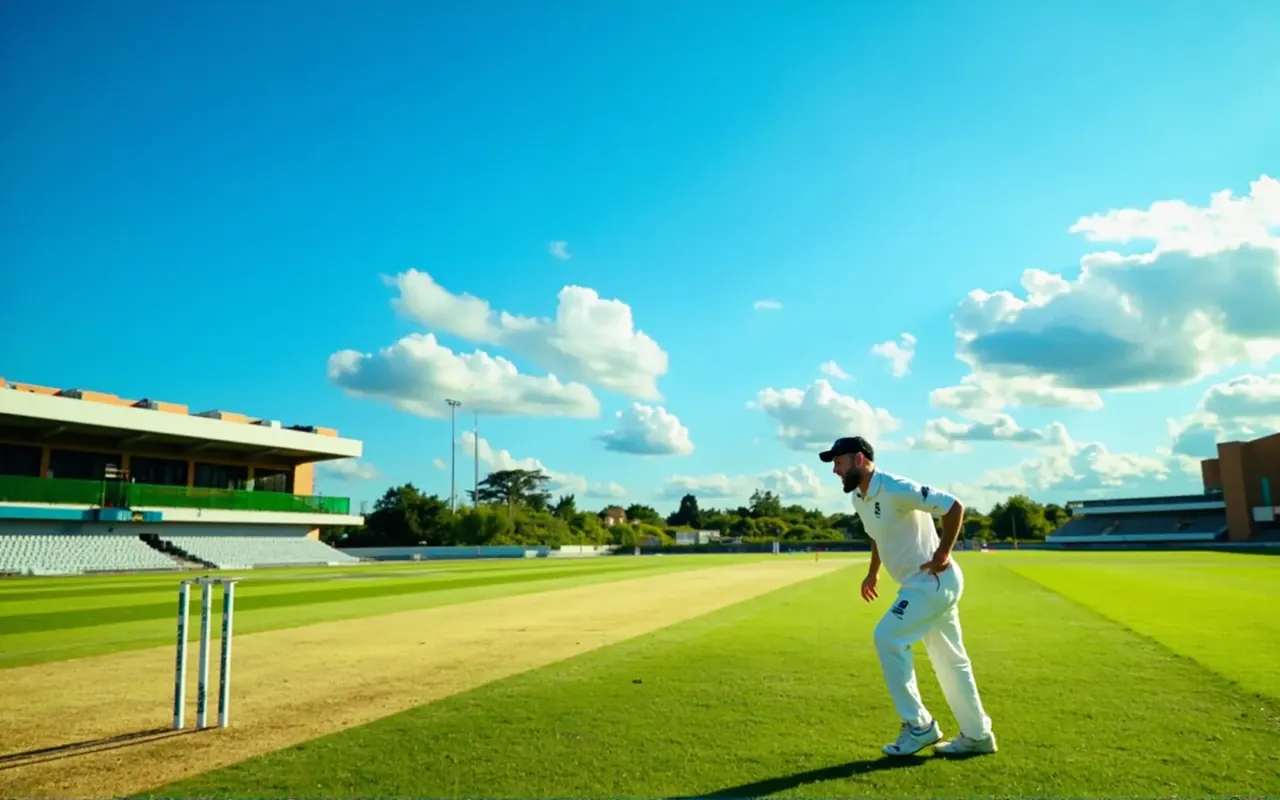
Wide view of an international cricket stadium from the broadcast camera position with players walking to their marks
Frame, not forecast

What match analysis does

Match analysis collects the frameworks for reading a fixture: form, pitch, weather, matchups, role impact and captaincy. Reading notes are written to be re-usable across grounds and series, not single-shot predictions.

A pitch report is written so a reader who arrives at a different ground three months later can take the same checklist with them. A form reading is written so a reader knows how to weigh a recent innings rather than whether to bet on the next one.

Form reading

Reading recent performances with a known sample size

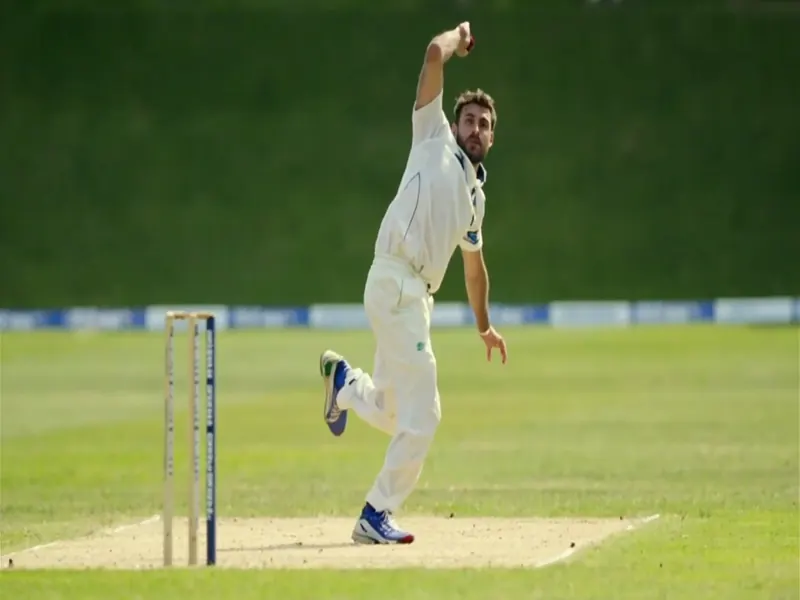
Action photograph of a fast bowler mid-stride delivering the ball to a batsman at the crease

Sample size before signal

Cricket's variance is high. A batter can post a fifty one week and a duck the next without either score being unusual. The desk treats six to ten innings as a practical floor for batting form, and a similar number of completed overs for bowling form. Under that range the noise tends to dominate the signal.

Form is also weighed against the level of competition and the surface. Runs against an associate side on a flat track read differently from runs against a top side on a fifth-day surface, and a form note that does not name the opposition and the surface is missing two of the words that would change how the number lands. Form is read in the role the player will hold in the next match, not the role they held in the innings that built the average.

Three checks before form is quoted as fact

Name the sample (number of innings or overs), the opposition level, and the conditions (format, surface, phase of tournament). If any is missing, the form line is a lead, not a finding.

Pitch reports

A pitch-reading framework that travels between grounds

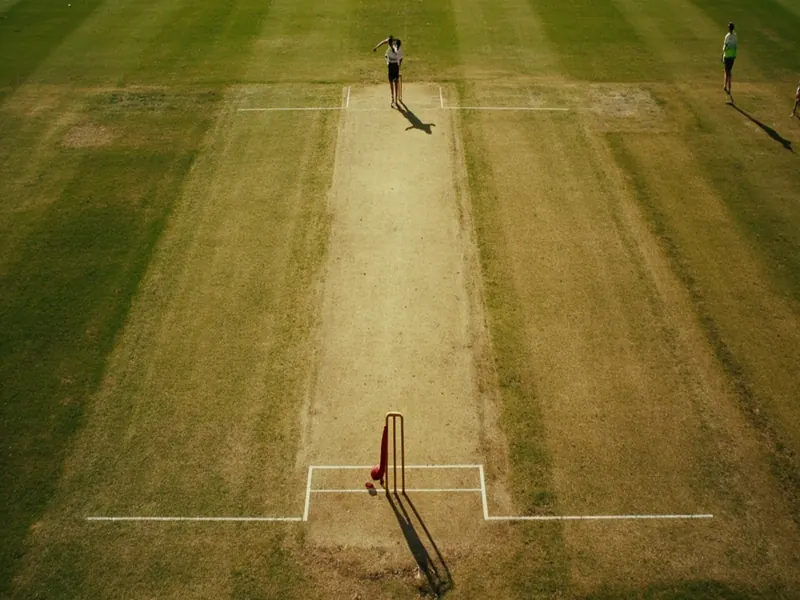
A pitch report should describe how a surface is likely to behave over a match, not just what the strip looked like on day one.

Cricket curator kneeling beside a freshly rolled pitch holding a soil sample

Surface type, expected behaviour, pace vs spin

First, the surface type. Dry, abrasive wickets read differently from green ones with grass hold. Drop-in pitches in shared venues read differently from traditional soil-based surfaces, and the average behaviour for the ground is a useful baseline before the day-of pitch report.

Second, expected behaviour over the match. Red-ball cricket tends to get harder to bat on by day three. White-ball cricket on used wickets often flattens for the chase, with the calmer middle phase carrying the decision.

Third, pace versus spin balance. On a slow surface, finger spin does the work. On a faster surface, seam and length matter more. The matchup between spinners' overs and the powerplay usually swings the outcome. A useful two-sentence pitch report names the surface, the behaviour, and the angle of attack; anything longer tends to hedge itself into meaninglessness.

Surface Expected behaviour Angle of attack
Dry, abrasive Spinners come on earlier; wicket gets tougher to bat on by the middle session Spin through the middle, yorkers at the death
Green, seaming First hour carries the most value; batting gets easier as the surface dries Hit-the-deck seamers with the new ball
Flat, true Batting stays favourable throughout; small mistakes get punished Variations and change of pace rather than raw pace
Slow, low Stroke-play is harder; spinners and cutters control tempo Wrist-spin, cutters into the pitch
Two-paced Uncertainty in bounce keeps bowlers in the game longer Cross-seamers who change length rather than line
Weather impact

How overcast, clear and humid conditions shape a match

Weather is the variable a cricket match report most often leaves out. The patterns here are reading notes, not forecasts.

Cricket ground under heavy clouds with the boundary rope dark against green outfield

Three reading notes: overcast, clear, humid

Overcast. Cloud cover helps seamers with the new ball. The ball stays harder without sun on it, and visibility can shift mid-session. The toss decision usually leans towards bowling first.

Clear and sunny. Dry heat dries the surface faster and brings spinners into the game earlier. The ball softens quicker, and reverse swing becomes a death-overs tool on scuffed white-ball surfaces.

Humid. The ball holds on the surface a touch more, finger spin can grip, and batter timing has to absorb more moisture in the air. In long formats, humidity also brings rain breaks, which changes how the captain budgets overs.

Wind and rain, not just sky

Two notes to pair with any weather block: wind direction and rain chance. A cross-wind at a ground with short square boundaries rewards slog-sweep, while a stiff headwind changes how a quick bowls at the death. Reading both numbers together sharpens a forecast.

Matchup reading

Batter versus bowler type, and the phase it falls in

Batter versus pace

Right-arm pace at 135+ kph to a left-hand batter is a different problem than the same ball to a right-hander with a strong pull shot. The angle and the pace window both change when the batter is starting versus set and looking to hit down the ground.

Batter versus spin

Wrist-spin to a right-hander who uses his feet, finger-spin to a left-hander who sweeps: the matchup turns on whether the batter is willing to use the crease. In the middle overs, that single question decides more innings than raw skill.

Phase and the death

Yorkers against big hitters, wide yorkers to batters who only square, slower balls to batters who charge. Reading the death is about reading the bowler's repeatable skill against the batter's repeatable scoring shot under pressure.

Reading the bowler's plan

Matchup reading is not just about who is bowling. It is also about the captain's plan for that bowler — a bowler asked to bowl into the wind reads differently to the same bowler asked to attack the stumps.

Role impact

Why role matters more than name in a match context

Role impact is the part of match analysis that says so out loud. Where a player bats, bowls, and how the captain uses them decides the job more than the name on the shirt.

Three roles the desk reads every match

The anchor, the finisher, the fifth bowler. An anchor stays in; a finisher comes in at a known phase; the fifth bowler holds an end when the captain needs four overs from outside the main four. Reading which players fill these roles — and how the captain uses them — is much of the match's shape before a ball is bowled.

Reading role changes inside a series

Role impact is not static. A team that opens with a wrist-spinner in one fixture and a fast bowler in the next is changing the batting order and the chase shape.

The role-impact checklist

List the playing eleven. Mark who opens, who bats at three, who finishes, who bowls the death, who holds an end. Read the captain's toss quote if on the record. The role map precedes the form reading on purpose.

Captain and leadership reading

Reading the captain, not just the team sheet

Captaincy is one of the most-underrated parts of reading a match. Field settings, bowling rotations, DRS calls and batting order at the death are leadership decisions with a pattern you can read ahead of time.

Pace of decision

Some captains act fast — reviews, bowling changes, batting order swaps. Others take the field as it is and trust the bowler to finish the over. The pace of decision is consistent enough between matches to be a reading note on its own.

Risk tolerance

Some captains set attacking fields on day one of a Test; others build pressure for ten overs before letting a slip cordially through. The risk tolerance shapes how the same pitch reads in the captain's hands.

Bowling rotation

Who gets the new ball, who comes on first change, who bowls the 30th over — rotation habits are leadership decisions that show up in the scorebook. Reading rotation is part of reading the captain.

Captaincy in white-ball cricket

White-ball captaincy reads close to real time. The matchup read above is largely a captaincy read: who bowls the seventh over, who holds for the death, who is held for the second-innings powerplay. The captain decides; the editorial desk tries to read that decision tree before the first ball.

Where the desk stays away

When match previews make sense, and when the editorial desk stays quiet

Come Sports writes match analysis when there is a format-level reading point. Where there is not, the editorial desk stays away.

When a preview is worth publishing

  • A pitch change or surface shift worth naming in plain language.
  • A role swap in the playing eleven that changes the team shape.
  • A returning player whose role is genuinely different after injury or rest.
  • A format-level rule or scoring change between series.
  • A weather pattern that genuinely changes the toss calculus.

When the editorial desk stays away

  • Tip-sheet previews built to predict a winner rather than explain a frame.
  • Predictions phrased as guarantees, win-rate percentages or accuracy claims.
  • Previews built around a sponsored talking point or affiliate click.
  • Injury speculation published before the team sheet confirms it.
  • "Best XI" lists that repeat the same five players in every fixture.

The line between reading and predicting

Reading a match is naming the variables that will shape it. Predicting a match is naming the variable that will decide it. The first is a re-usable note; the second is single-use and often wrong, and the publication does not sell its name on it.

Match analysis FAQ

Common questions about reading a cricket match

What should a match analysis framework cover?

Form, pitch reports, weather impact, batter-versus-bowler matchups, phase reading, role impact and captaincy. The point of the framework is a checklist you can carry into the next fixture, not a verdict on the one in front of you.

How big a sample size is needed before recent form is meaningful?

Six to ten innings is a practical floor for batting form, and a similar number of completed overs for bowling form. Under that range, noise tends to dominate the signal, and a single innings can swing the average enough to mislead.

Why does the site stay away from match predictions?

Predictions are single-use by design. They cannot be checked against a footnote, they age the moment the toss happens, and they push the writing toward the same tip-sheet shape across fixtures. The publication writes re-usable reading notes instead.

What role does captaincy play in reading a match?

Captaincy shapes field setting, bowling rotation, batting order at the death and DRS calls. Reading the captain — pace of decision, risk tolerance, rotation — is part of reading the match itself, not separate from it.

When is a match preview worth publishing?

When the preview carries a format-level reading point: a pitch change, a role swap, a returning player with a different brief, a rule or scoring difference. Previews that exist only to name a winner add little context.

How does the site read weather for a fixture?

Weather is read in three patterns — overcast, clear and humid — each of which shifts swing, grip, ball hardness or dew. Wind direction and rain chance are added to the block because both move the toss decision well ahead of the toss.

Carry these frameworks into the next subject

Fantasy cricket and players & teams both extend the match reading into selection and squad shape. Pick the next subject that matches what you came looking for.

Play now