Players & teams

Reading a cricket lineup the way the dressing room would

Players are read here as roles first and individuals second. The reading walks through captain profiles, role impact in the lineup, team-balance frameworks, the gap between recent form and a meaningful sample, and the lineup-availability notes that change a selection before the toss.

Latest player and team notes

New reporting and analysis

Current developments involving cricket teams, leadership and the choices that shape a side.

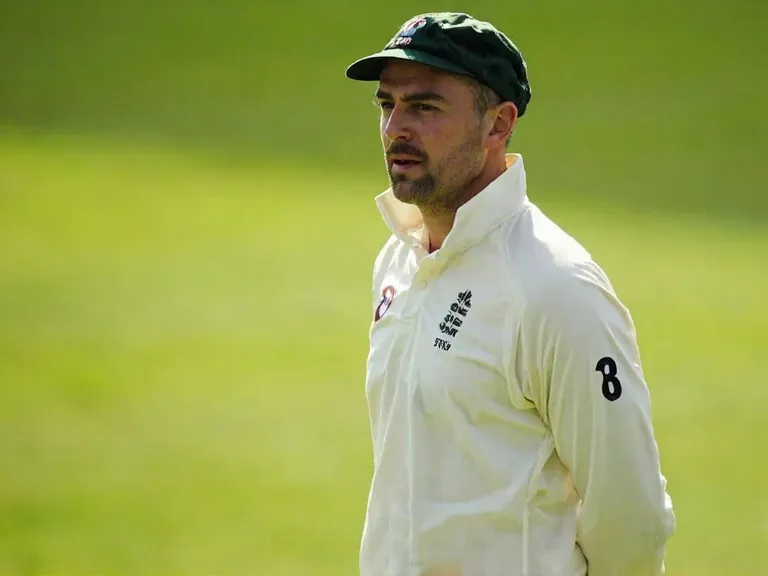
Cricket captain walking out to toss with a folded blazer over the arm, focused expression
Captains

Reading a captain's profile

A captaincy profile is not a CV. It is the sum of how a leader reads the game, how the dressing room reads the leader, and how those two patterns line up across a season. Most captaincy reputations rest on three things: temperament under pressure, tactical instinct in the field, and man-management that turns a squad into a side.

Temperament shows up in body language after a dropped catch and in the tone of the post-match interview. Tactical instinct shows up in bowling rotations, the timing of the review, and the field set to a specific batter. Man-management rarely makes the highlights — it shows up in how a debutant is handled and whether the dressing room looks the same after a heavy loss.

Leadership context matters as much as the leader. A captain taking over a settled side with three world-class bowlers faces a different task from a captain handed a transition squad with two uncapped players. The first captaincy is judged on conversion; the second on direction. The metrics used to judge them are not the same.

Role impact

What each role actually does in the lineup

The five roles in a typical XI are named differently by different teams, but the work they do on the field is consistent. Reading role impact means asking what the team needs from that player on the day, not what the player averages across a career.

Specialist batter

A specialist batter is selected for one job: scoring in a defined phase of the innings. Top-order specialists face the new ball; middle-order specialists handle spin in the middle overs; finishers operate in the last 4-5 overs with wickets in hand. The role a player is picked for that day defines the expectation.


All-rounder

An all-rounder contributes with both bat and ball. The value is balance: an all-rounder lets a team pick an extra batter or an extra bowler without losing either discipline. In T20, an all-rounder who can bowl two or three tight overs and finish an innings is one of the most expensive assets on the list.

Pace bowler

A pace bowler's role splits into three: new-ball, middle-overs, and death. New-ball quicks take the surface and the early movement; middle-overs quicks work with the slower ball; a death-over specialist typically bowls the final 4-5 overs of a T20 innings. A side usually names its death bowler in advance.

Spinner

Spinners operate in the middle overs in limited-overs cricket and as attacking options on day three of a Test. The role changes between containment (holding runs) and attack (taking wickets). Spinners also mask pace workload — a captain who trusts his spinner to bowl the middle overs gives his quicks rest for the death.

Wicketkeeper

A wicketkeeper is selected first for glovework — catches, stumpings, the work that does not always show up in the scorecard. Beyond the gloves, most international keepers bat in the top seven. The keeper's batting position is a tactical choice: high enough to anchor, low enough to keep a bowler in the side.

Reading role on the day

Role impact is not fixed. The same batter picked at number three on a flat deck is a different role from the same batter picked at number three on a green seamer. Read the role the team needs on the day, then ask who is best placed to deliver it. That ordering keeps the analysis honest.

How role impact differs from a batting average

A career batting average tells you what a player has done across many innings. It says nothing about what the player can do in the role a team needs tomorrow. Two players with similar averages can produce very different lineups when the match-up changes — one is a powerplay anchor against the new ball; the other is a spin-reader in the middle overs.

The same point applies to bowling. A bowler's economy in the powerplay and economy at the death are not the same number even when quoted in the same column. Reading role impact means naming the phase first, then asking which bowler is best placed to operate in it.

Batting card leaning against an open kit bag on grass, no readable text on the card
Team balance

Three frameworks for reading lineup balance

Balance is a frame, not a number. The frameworks listed here are how sides (and selectors) usually think about it. Each one names the trade-off the captain is willing to accept.

Tactical cricket whiteboard in a dressing room with chalk-drawn field positions, no readable text

Top-order, middle-order, death-overs split

The simplest balance frame splits the XI into three buckets: top-order (positions 1-4, including the keeper), middle-order (positions 4-7, anchors and finishers), and the bowling unit (five or six bowlers covering pace, spin and the death). A balanced T20 side usually carries six batters, a keeper, and four bowlers, with one or two part-time options.

The numbers shift with format. In ODIs the middle order is wider; in Tests it is narrower; in T10 the top order does most of the work and the death-over bowler is the most expensive asset on the list. Naming the format first prevents the wrong comparison.

Bowling balance: pace versus spin

A bowling unit is read through the overs it can cover without leaking runs. A typical T20 side carries three or four pace options and one or two spinners. The split changes with surface — a dry track pushes the split toward spin, a green seamer pushes it back toward pace. Captains name their bowling unit before naming the batting order; the batting order is built to keep the bowlers fresh.

Batting balance: anchors versus accelerators

Batting balance is the relationship between anchor batters (those who absorb the new ball, rotate strike, and hold an innings together) and accelerator batters (those who take the risk when the platform is set). A side that picks four accelerators and two anchors usually wins games it should not. A side that picks four anchors and two accelerators usually loses games it should win. The 4-3 split is the most common.

Recent form

Recent form versus sample size

Form and sample size are different signals and need to be read separately. The short-term number tells you how the player is moving. The longer record tells you whether the short-term number means anything yet.

1

One innings is noise

A score of 80 off 50 balls tells you the player had a good day. It does not tell you whether the player has changed as a batter. A single innings can be read as information, but not as trend.

2

Five innings is a hint

Five innings start to look like a pattern. A player who has scored in five consecutive innings has done something that is unlikely to be pure chance. The hint is worth noting, and worth checking against the surface and the opposition.

3

Ten innings is a trend

Ten innings in T20 is roughly a season's worth of cricket. By that point the numbers have stabilised enough to be compared against the career average with some confidence. Trends can be talked about; signals can be acted on.

4

Twenty innings is a record

Beyond twenty innings the short-term noise has settled. What remains is the player's level over a defined period — the number to compare against the career mark. A hot streak at twenty innings is no longer a streak; it is the new normal until the next move.

Availability

Lineup-availability notes that move a selection

Most lineups are not picked from the full squad. They are picked from the players who are fit, available, and have recovered from the travel. Reading availability is reading the lineup before the toss.

Injury status

The first availability filter is injury. A player returning from a hamstring strain usually needs two or three matches before being trusted with full sprinting between the wickets. A bowler returning from a side strain is usually worked back through shorter spells before being given the death. The named XI is rarely the full-strength XI.

Rest and rotation

Multi-format players — those who play Tests, ODIs and T20s in the same window — are routinely rested. Rotation is the cost of asking the same squad to play all three formats. The press release names the rested player; the lineup note is which player comes in and which role they are asked to fill.

Travel and quarantine

Touring sides carry players who arrived mid-series and players who joined late. Bio-secure bubbles and quarantine windows change who is available for the first match versus the third. The selection panel usually flags travel-affected availability a week out.

Context over form

When the match context overrides the recent form

Form is one of several inputs. Sometimes the surface, opposition or match situation changes the role the player is asked to do — and the recent form is no longer the right number to read.

Surface change

A batter in good form on flat decks is not necessarily the right pick on a green seamer. The role changes from middle-rotation to survival-and-strike. When the surface shifts, the form number shifts with it.

Opposition matchup

Some batters read certain bowlers better than others; some bowlers find certain batters harder to contain. A bowler in cold form can still be the right pick against a batter he has dismissed three times in a row. The matchup overrides the form when the matchup is meaningful and recent.

Match situation

A side chasing 180 needs different batters than a side defending 130. Context names the job; form names who is best placed to do it. When the two disagree, the analysis should say which input is doing the work.

Players & teams FAQ

Common questions about reading players and teams

How do you read a captain's profile?

A captaincy profile is read through three lenses: the qualities the captain brings (temperament, tactical instinct, man-management), the leadership context (settled side, transition squad, injury crisis), and the patterns that show up across a season rather than a single match. One game is a sample; a season is the reading.

Why does role impact matter more than a career average?

Averages describe what a player has done in their stated role. Role impact describes what a player can do in the specific role a team needs on a given day — opening against the new ball, finishing at the death, holding the middle overs. Two averages can look similar and produce very different lineups when the match-up changes.

What does a balanced T20 lineup look like?

A balanced T20 lineup usually carries six batters, a wicketkeeper-batter, four or five bowling options across pace and spin, and at least one specialist for the powerplay and one for the death. The exact split depends on the surface and the opposition, but the buckets are stable: top-order, middle-order, death-overs.

How much weight should recent form get?

Recent form is most useful when it sits inside a meaningful sample. A three-inning streak is information; a three-inning slump is also information, but neither is reason alone to overturn what the longer record shows. Form sharpens the reading; it does not replace the reading.

When should match context override form?

When the conditions, surface, opposition or match situation change the role a player is asked to perform. A top-order batter in good form can still be the wrong pick on a green seamer if the team needs middle-order resistance. Context names the job; form says who is best placed to do it.

Move on to the next subject

Player notes sit alongside the formats that produce them. Fantasy cricket explains how roles are priced; match analysis explains how roles shift with surface and opposition; responsible play covers the limits that should sit around all of it.

Play now